
Colour Charts


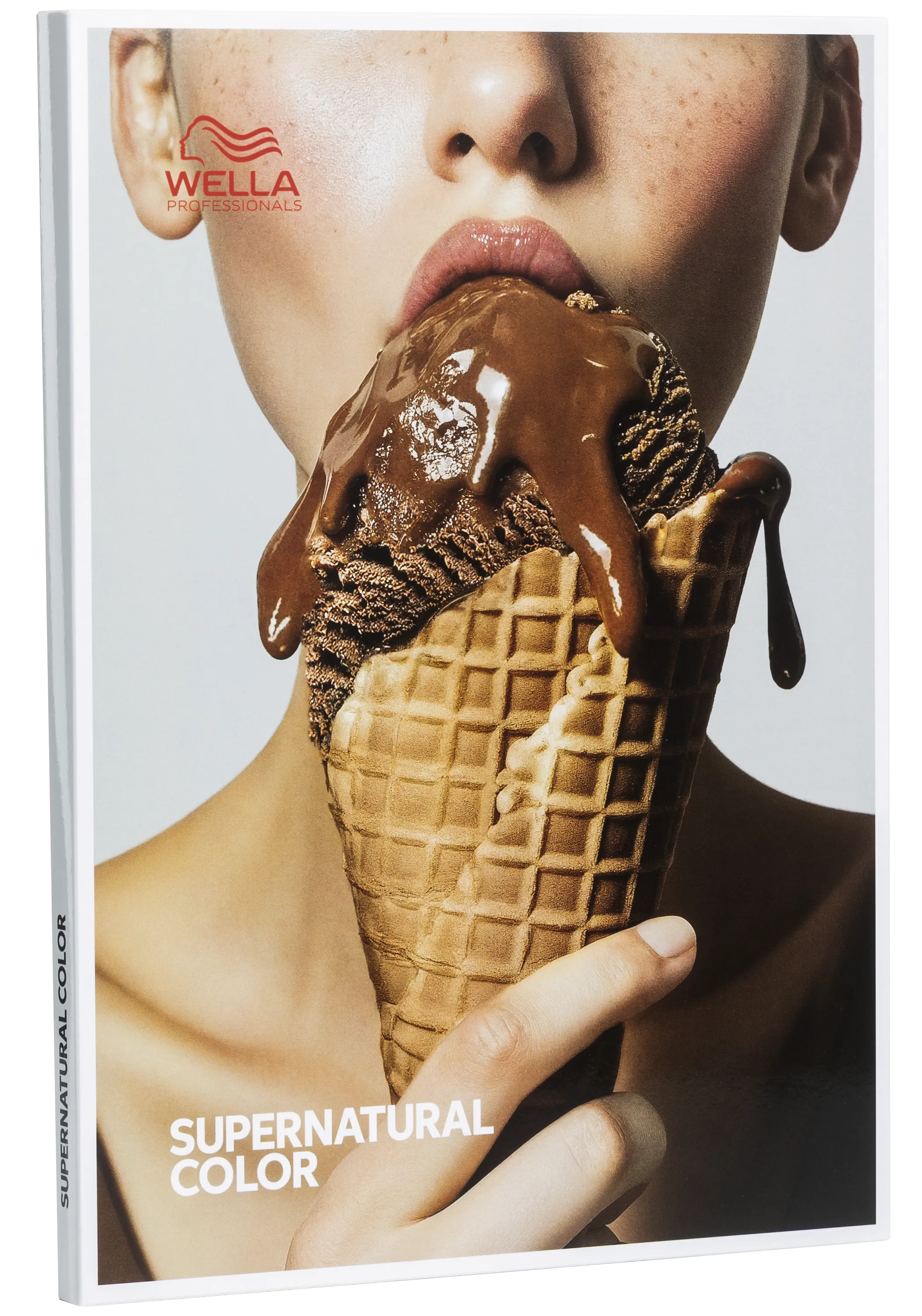
Wella Professionals Supernatural Colour Chart
Content: 1 pc (€58.90 / 1 pc)
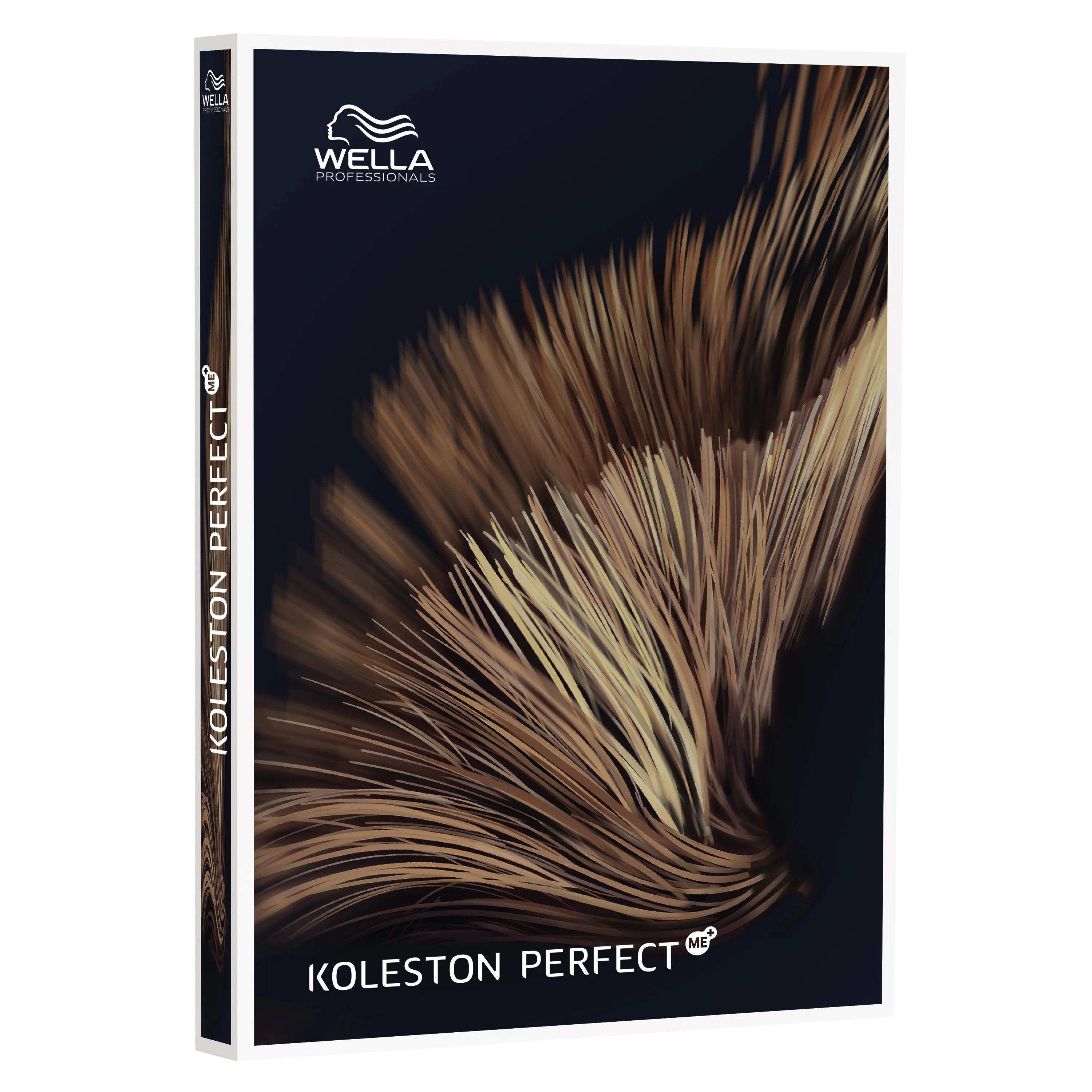
Wella Koleston Perfect technical colour chart
Content: 1 pc (€95.00 / 1 pc)
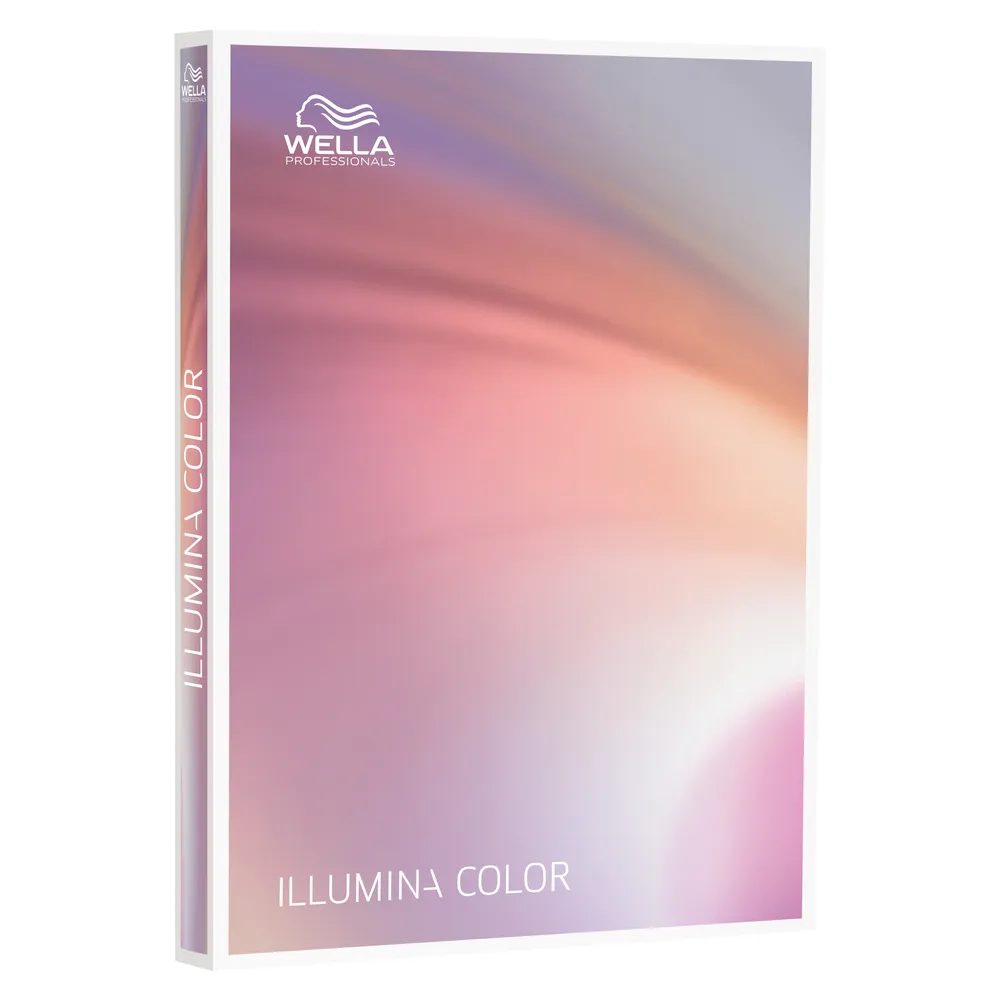
Wella Illumina Colour Chart
Content: 1 pc (€22.80 / 1 pc)
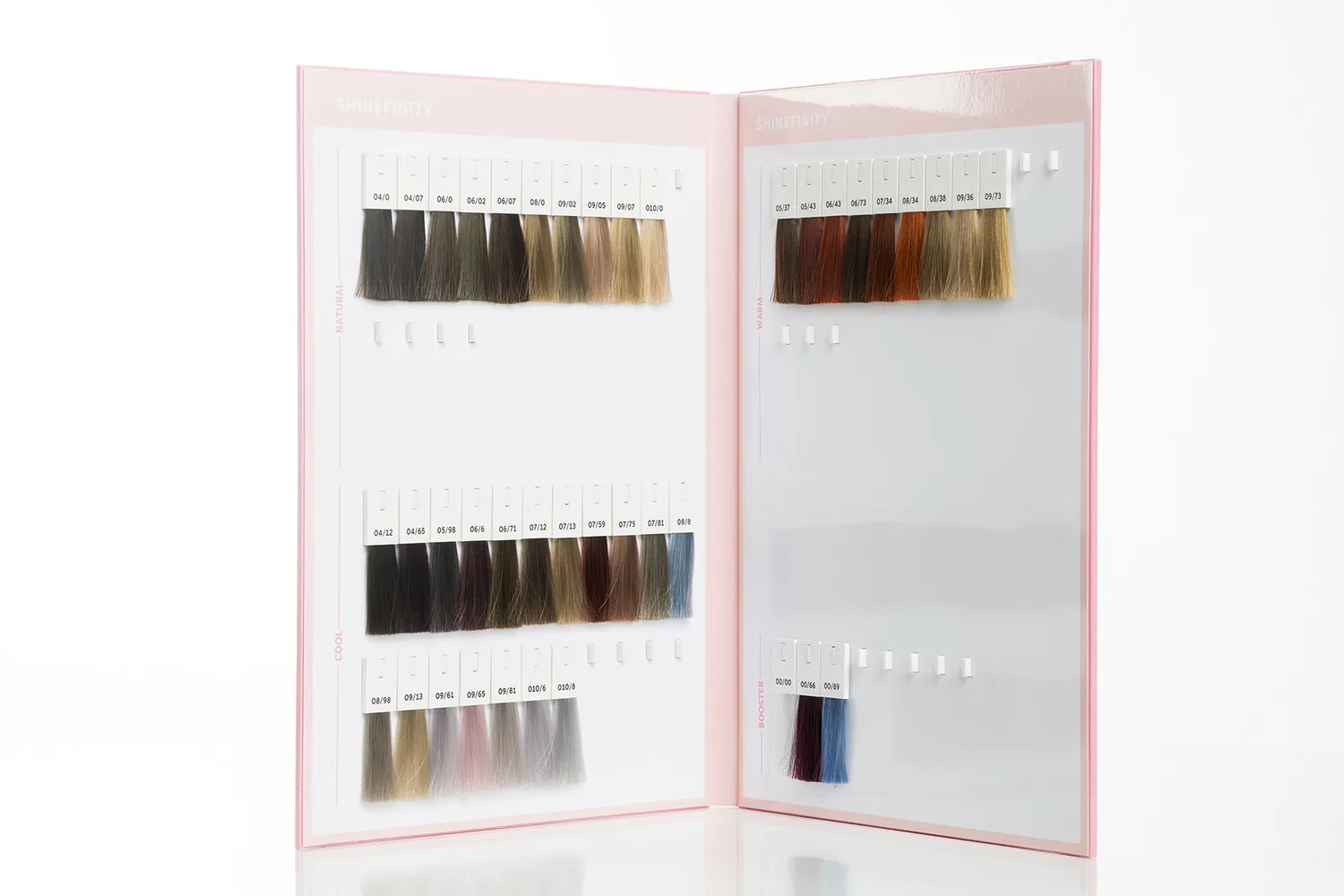
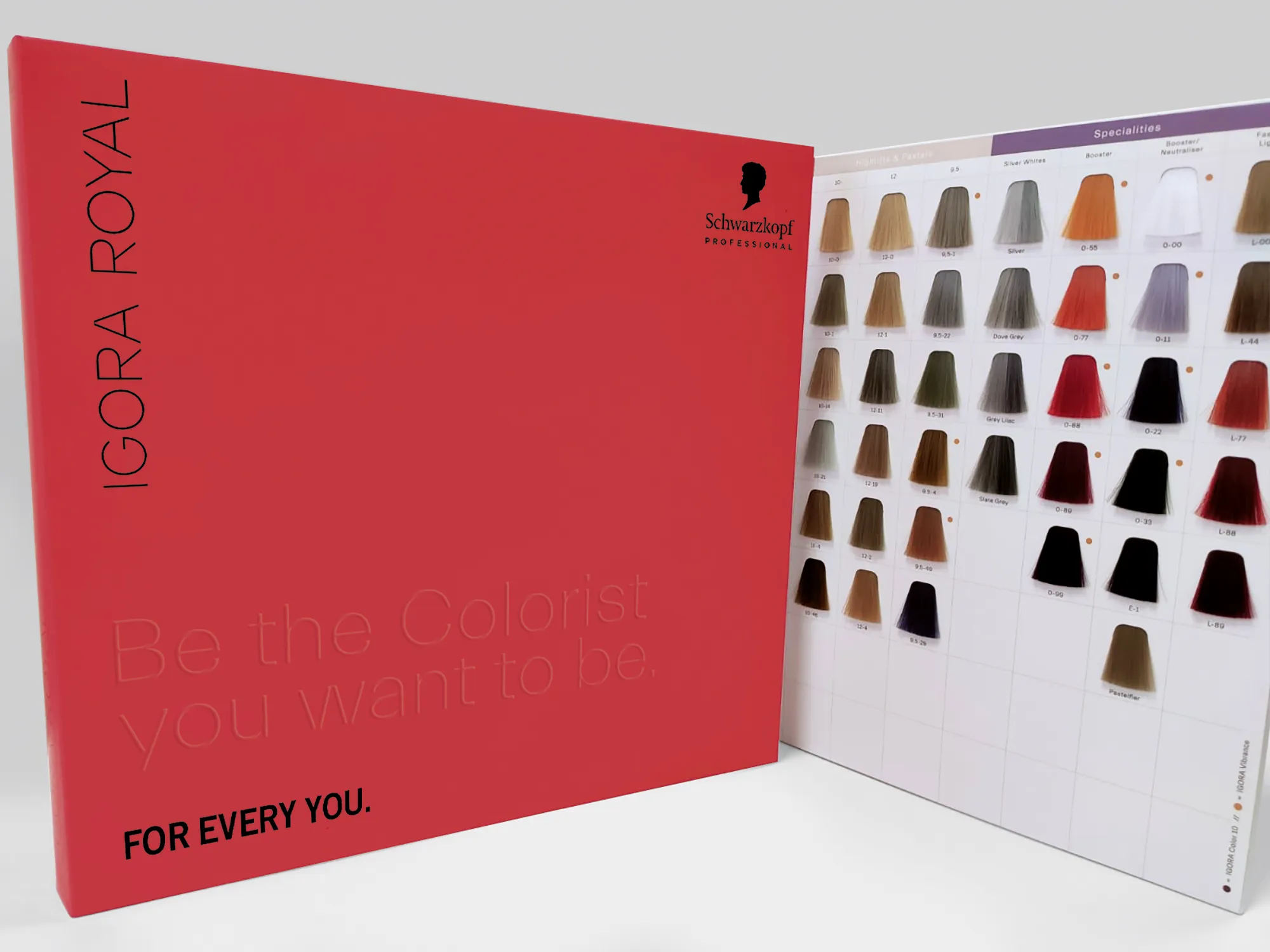
Schwarzkopf IGORA ROYAL Compact Colour Card
Content: 1 pc (€95.00 / 1 pc)
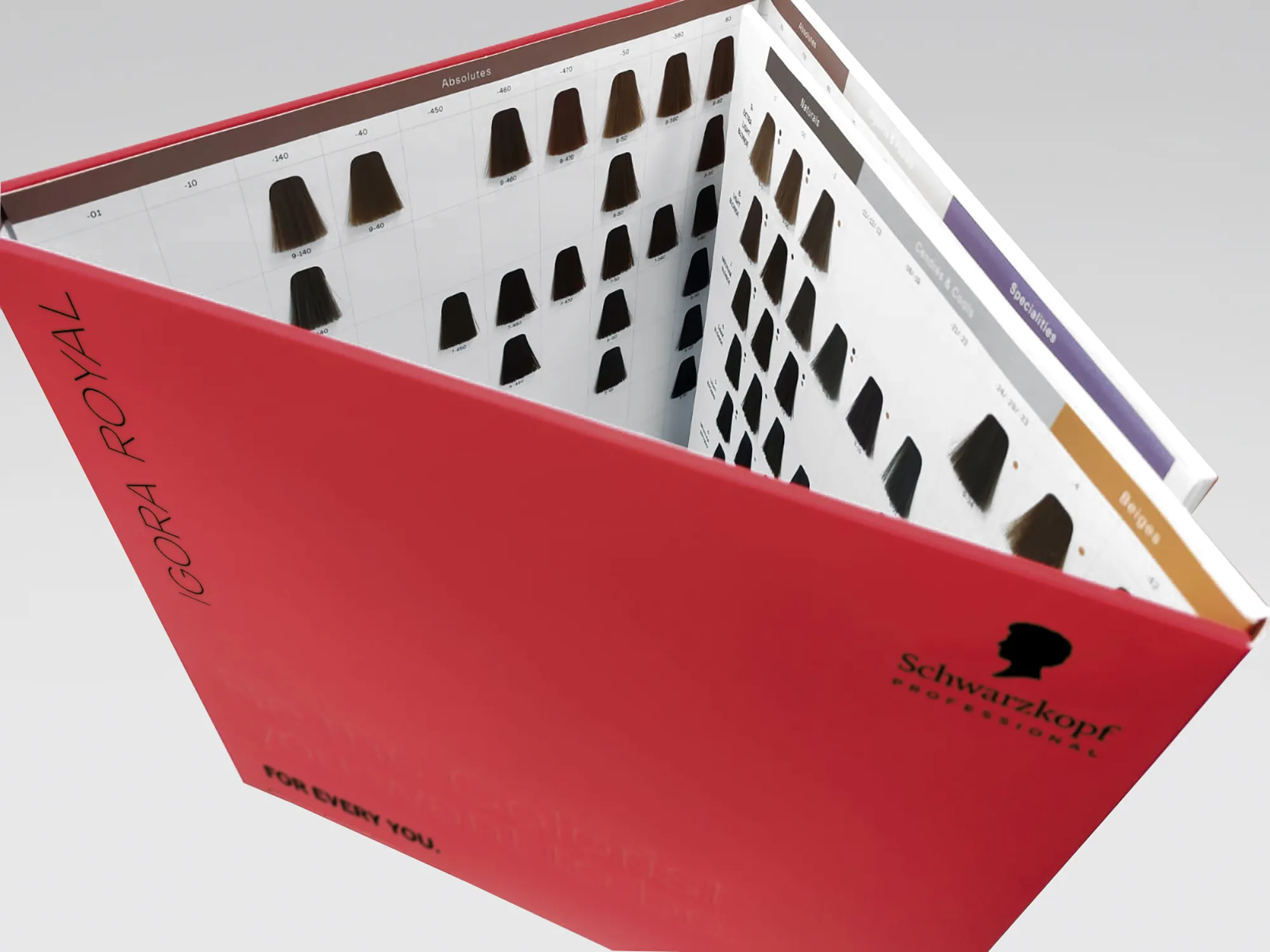
Schwarzkopf IGORA ROYAL Premium Colour Book
Content: 1 pc (€39.95 / 1 pc)
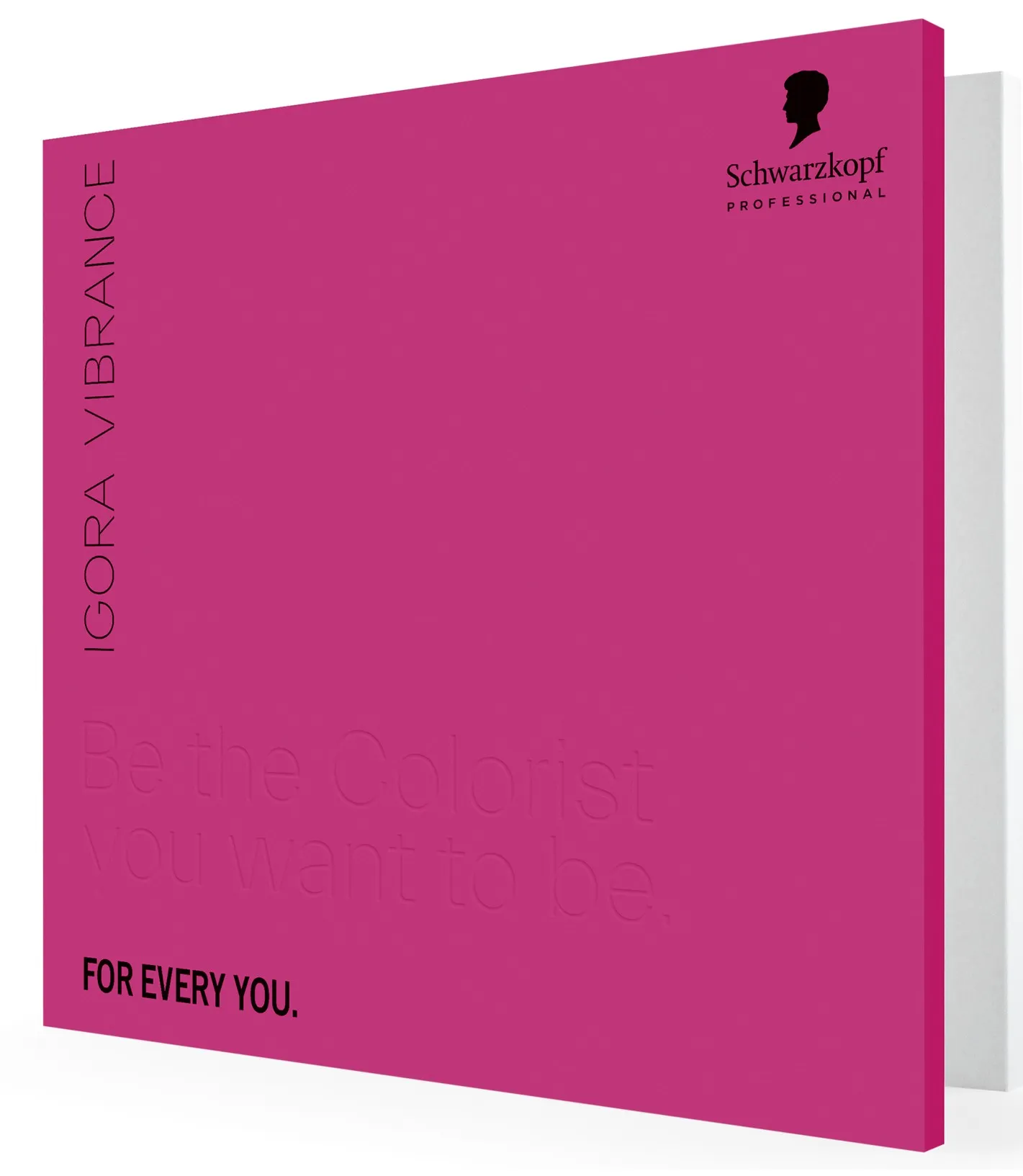
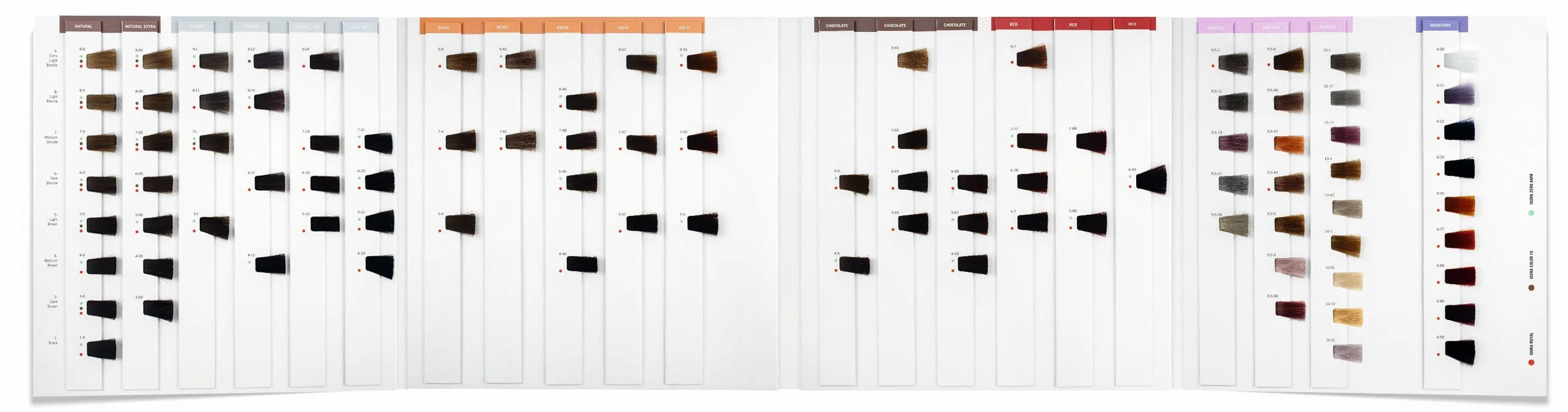

Goldwell Colour Comb Chart
Content: 1 pc (€123.60 / 1 pc)
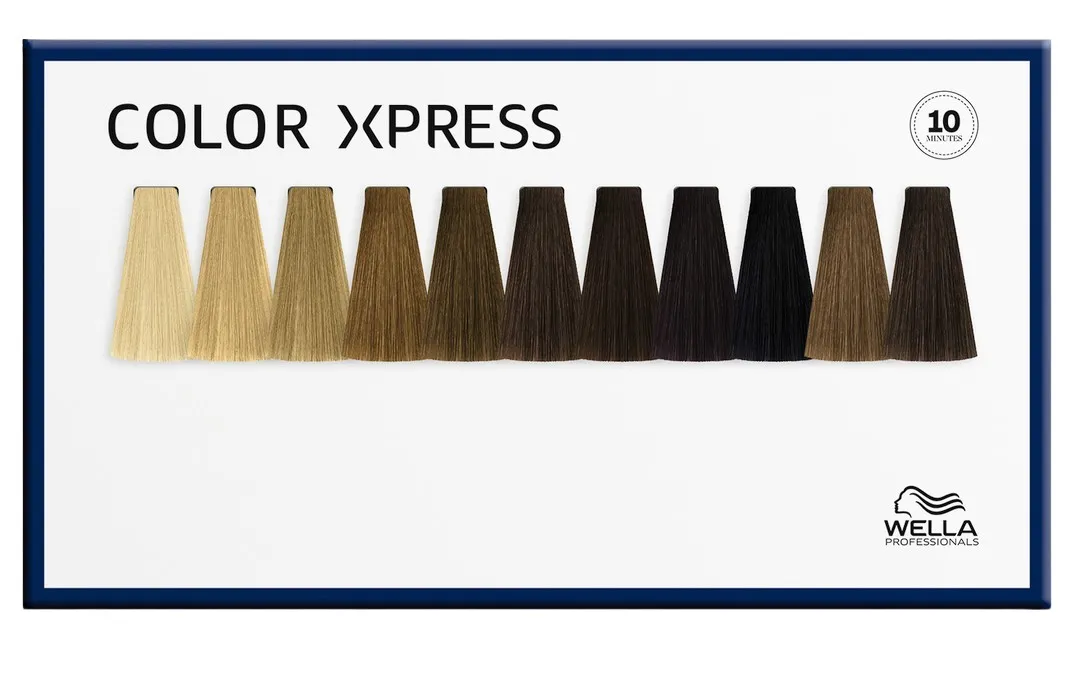

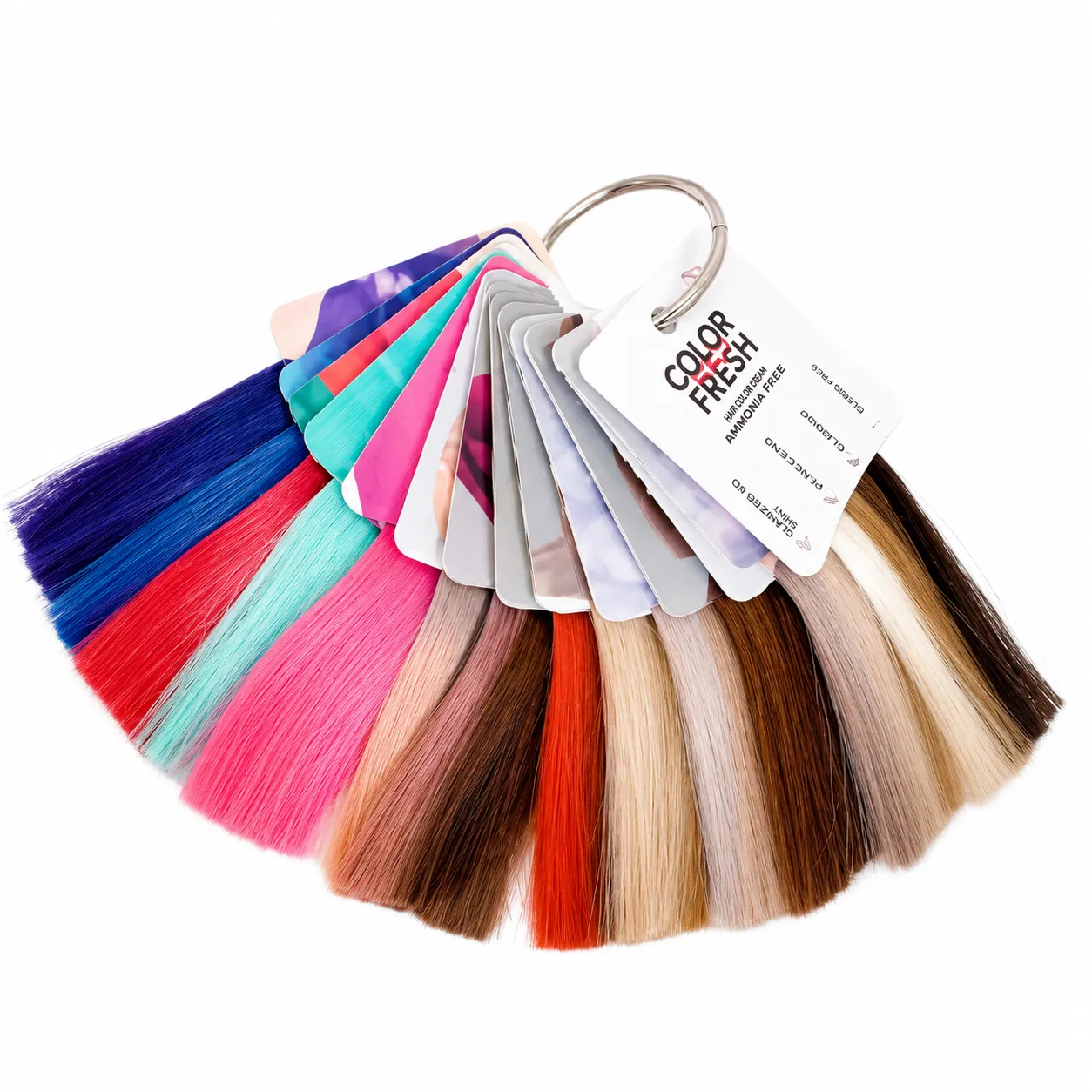


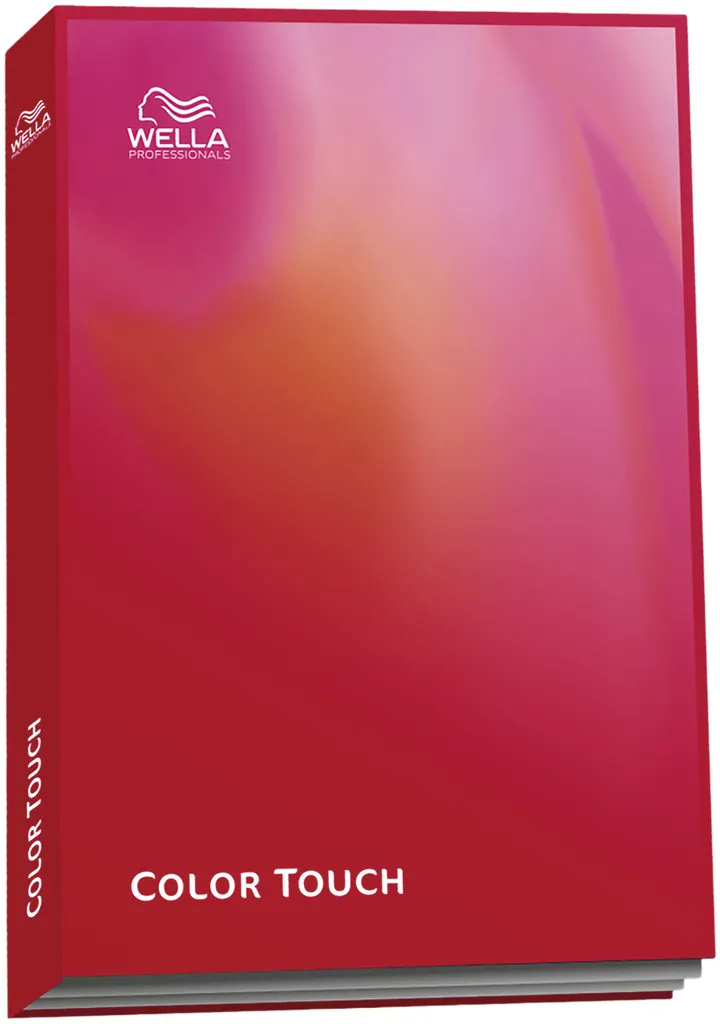
Wella Color Touch Colour Chart
Content: 1 pc (€139.95 / 1 pc)
Goldwell Elumen Colour Chart
Content: 1 pc (€54.10 / 1 pc)
Decision aid color chart
There is probably no hairdresser who doesn’t own one: a color chart. All shades and tones are clearly presented at a glance thanks to the chart. This makes color charts not only a helpful tool for the hairdresser but also for the customer. Even the finest differences in color nuances become visible, making the often tricky “agony of choice” much easier.
Color chart: Explanation from the hairdresser
While the layperson simply sees a hair color, professional hairdressers see much more! The many hair colors are individually mixed and applied by colorists.
Structure of color charts: color depth and color direction
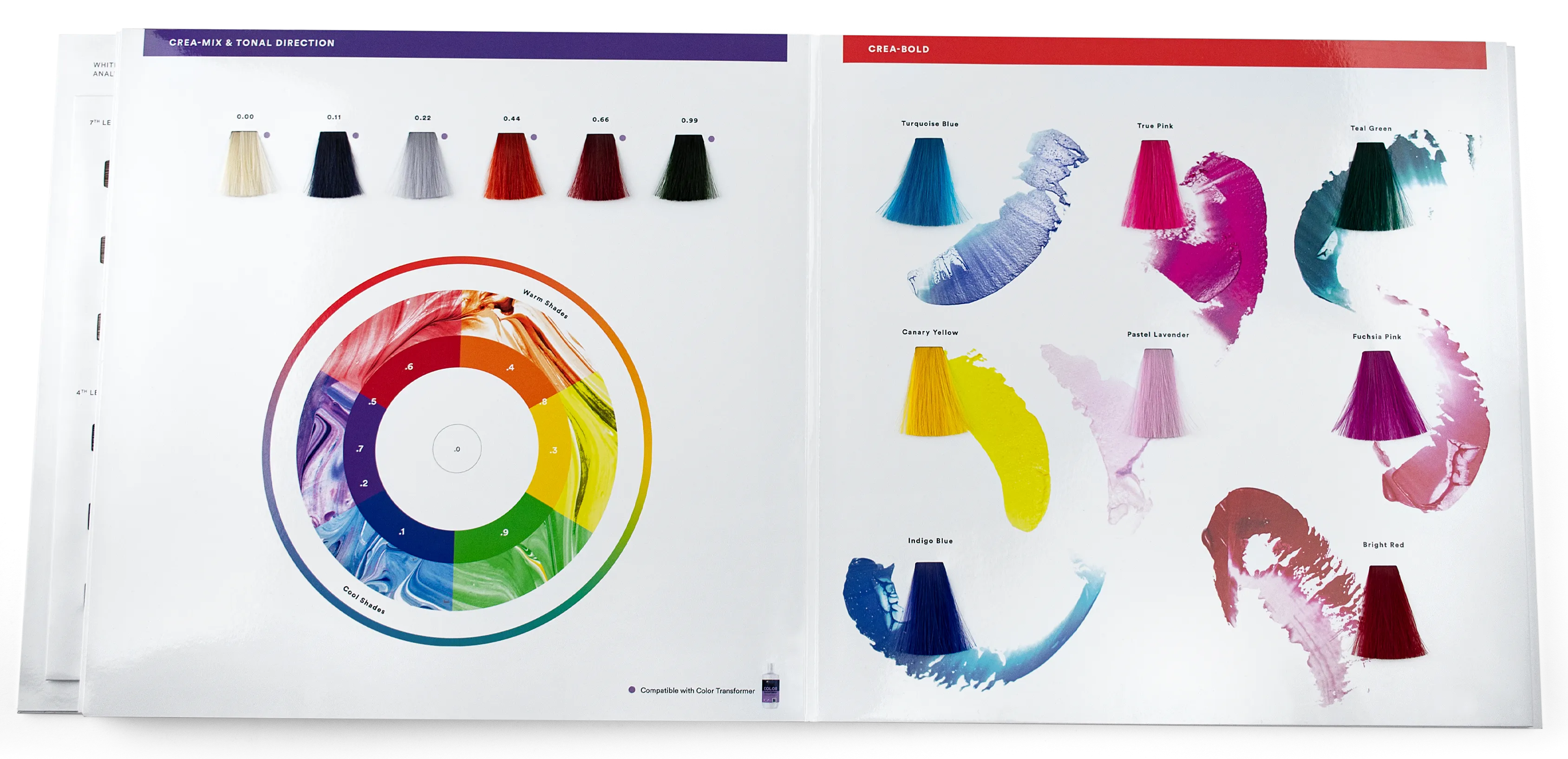
In general, color depth serves as the base color, while color direction represents the undertone. This classification allows every hair color to be precisely defined within the color chart, creating what is known as the “color coordinate system.”
Color depth distinguishes shades according to brightness. The gradations are divided by well-known color manufacturers (L'Oréal, Wella, Schwarzkopf, etc.) into 10 main tones: black, dark brown, medium brown, light brown, dark blonde, medium blonde, light blonde, very light blonde, white blonde, and white.
Color direction indicates the nuance. Examples of nuance names include ash, matte, gold, or copper. This results in colors such as chocolate brown or platinum blonde on the color chart. Most charts include nuances of all tones, though some focus only on selected shades—for example, exclusively on blondes.
What do the numbers on the color chart mean?
In the color chart, numbers are assigned to both color depth and color direction, and their combination determines each shade’s placement on the chart.
Indication of color depth
The first number always represents the color depth. The higher the number, the lighter the shade. This means that 1 generally stands for black, while 10 represents light blonde.
Indication of color direction
The following numbers, which appear after a slash, dot, or comma, represent the hue and color reflection mixed into the base (= color direction). The exact designations may vary slightly depending on the manufacturer of the color chart.
Which color charts for hair colors are available?
Usually, manufacturers release their own color charts to match their specific hair color lines. These are the three most popular types:


Wella Koleston Perfect color chart
The Wella Koleston Perfect Me+ and Color Touch color chart not only displays all color nuances but also includes usage instructions and possible mixing ratios.
Schwarzkopf BlondMe color chart
Blonde is not just blonde—especially when lightening hair with Schwarzkopf BlondMe. The Schwarzkopf BlondMe color chart showcases the virtually endless range of blonde shades.
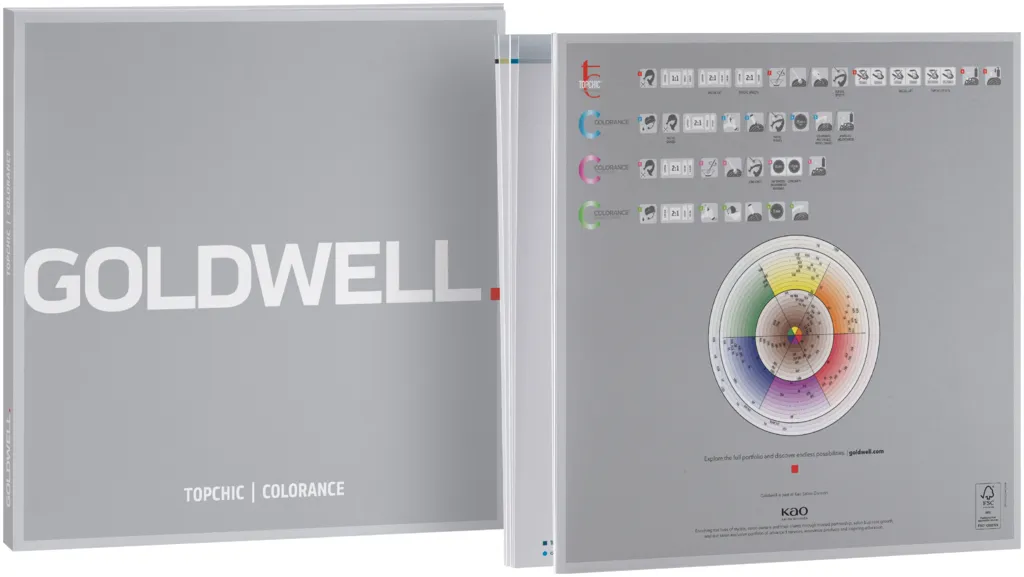
Goldwell Topchic / Colorance color chart
The permanent hair color Topchic and the semi-permanent color Colorance from Goldwell are combined in the Topchic / Colorance color chart.
Color consultation with the color chart: which hair color suits me?
Of course, color truly comes to life only once it’s applied to the hair. However, the higher the quality of the hair color, the more beautiful, shiny, and intense the result will be. Thanks to the color chart, hair shades can be examined and compared precisely under different lighting conditions (natural sunlight or artificial light). Therefore, the color chart is an essential tool in a professional color consultation.
When choosing a color, it’s advisable to consider your eye color and skin tone. The color chart is a key aid for comparing potential new shades. Sometimes, you can even remove individual hair samples from the chart and hold them directly against your hair to visualize the result more accurately. Some color charts also include optimal mixing ratios, usage instructions, and tips for applying the colors to ensure the best possible outcome.
Buy color charts at BellAffair
Color charts are essential for selecting the right shade and better visualizing the expected result. That’s why they are indispensable in any professional hair salon. Order color charts that match hair colors from Schwarzkopf, Wella, and Goldwell easily online at BellAffair, and offer your clients the best possible service before their color treatment.
What do the numbers on hair colors mean?
The first number indicates the color depth. The following numbers after the separator represent the color direction.
Which color charts are available?
Manufacturers of hair colors such as Schwarzkopf, Wella, Goldwell, or L’Oréal produce their own color charts to match their different product lines.
What does “ash” mean in hair colors?
Hair colors and toners labeled “ash” contain a small amount of blue pigment, which helps neutralize orange and yellow tones in the hair.